Checking Out the Numerous Techniques and Solutions for Effective Damp Proofing
Dampness in buildings postures significant difficulties to both architectural honesty and indoor air high quality. Different techniques and options have emerged to battle this pervasive problem. From conventional damp-proof membrane layers to ingenious chemical treatments, each technique uses distinct benefits. Comprehending these alternatives is important for efficient wetness control. Nevertheless, choosing the best service relies on specific building problems and demands, prompting additional expedition right into the most reliable wet proofing techniques offered.
Comprehending the Root Causes Of Wetness
Wetness can occur from various sources, comprehending these causes is essential for reliable removal. Generally, wetness stems from 3 main sources: climbing wet, permeating moist, and condensation. Rising wet takes place when groundwater takes a trip up-wards with permeable materials, such as brick or stone, frequently due to a lack of a reliable barrier (mould treatment newcastle). Permeating wet is typically brought on by outside variables, consisting of roof covering leaks, damaged seamless gutters, or damaged walls, enabling water to penetrate a property. Condensation, on the other hand, arises from excess moisture airborne, usually aggravated by inadequate ventilation and temperature level differences, leading to water droplets forming on surface areas. Recognizing these underlying issues is crucial, as each sort of wetness needs a customized strategy for remediation. Correct evaluation helps in determining one of the most effective options, inevitably securing the structural honesty of a structure and improving interior air high quality
Traditional Damp-Proof Membrane Layers
Chemical Damp-Proofing Solutions
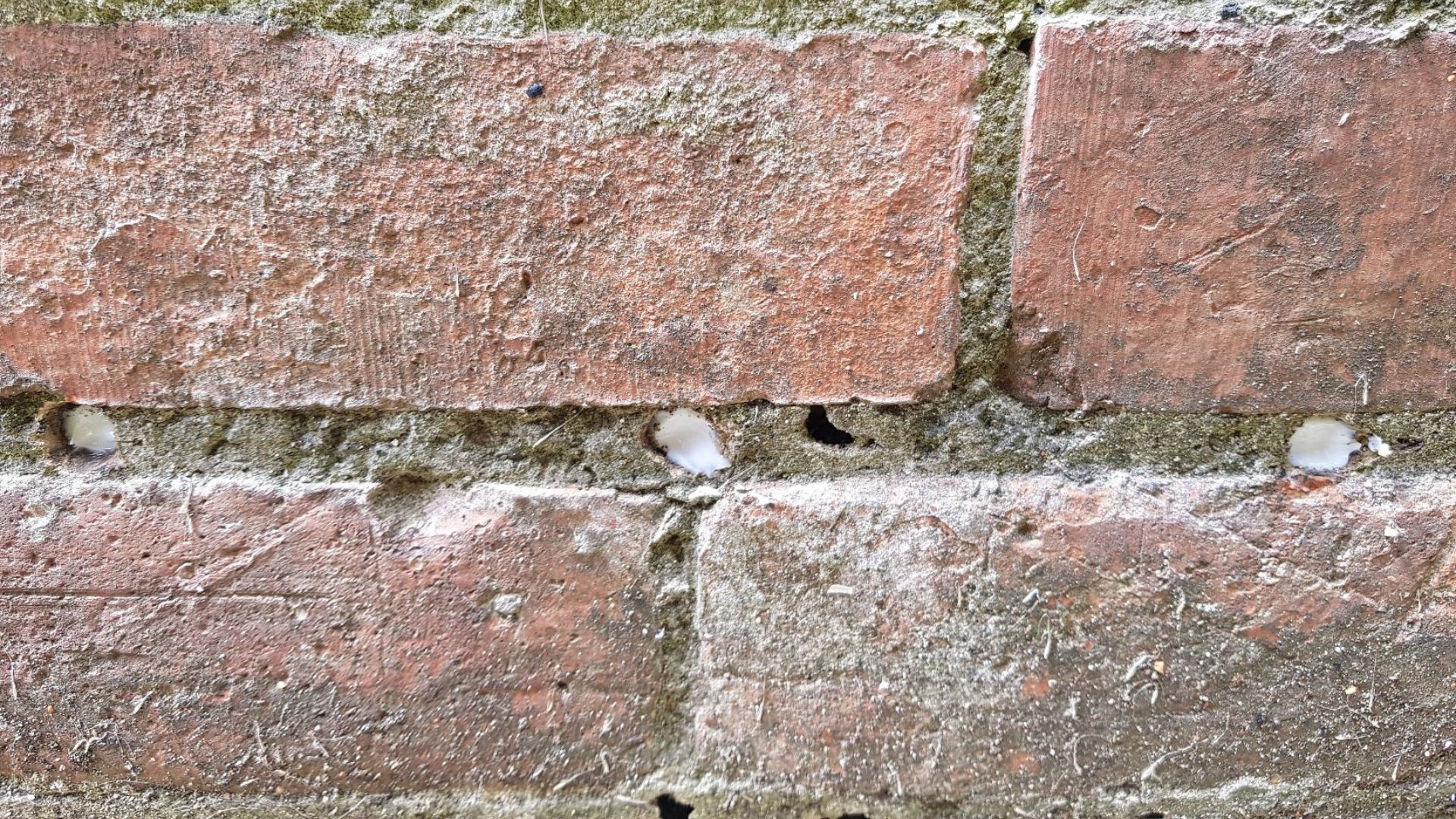
Chemical damp-proofing options supply an ingenious method to stop dampness intrusion in structures. These approaches generally involve the application of liquid chemicals that permeate masonry and form an obstacle versus climbing damp. Generally utilized chemicals consist of silanes, siloxanes, and various other water-repellent agents that respond with surface products to develop a hydrophobic layer.The application process generally needs drilling openings right into the walls, infusing the chemical solution, and allowing it to heal. This technique is especially useful for older frameworks where traditional damp-proof membranes might be unwise. In addition, chemical damp-proofing can be less turbulent and much more economical than comprehensive remodelling projects.While reliable, these remedies depend on proper application and ecological conditions for peak performance. Regular maintenance and tracking are vital to assure the long life of the damp-proofing therapy. On the whole, chemical damp-proofing stands for a flexible alternative for safeguarding structures against moisture-related damages
Dental Caries Wall Surface Building And Construction Techniques
Dental caries wall building methods offer numerous advantages, specifically in moisture control and power performance. By integrating an air space in between 2 layers of stonework, these wall surfaces efficiently reduce water ingress while enhancing insulation. This mix not just protects structures from dampness however additionally adds to decreased power intake.
Advantages of Tooth Cavity Walls
When thinking about effective moist proofing methods, the benefits of tooth cavity walls stand apart prominently. Cavity walls include two different layers, developing an air void that effectively decreases wetness infiltration. This style minimizes the danger of moisture, as the external wall serves as an obstacle versus rain and water access. Furthermore, dental caries wall surfaces boost thermal insulation, which adds to power effectiveness by minimizing warm loss. They additionally give sound insulation, assisting to produce a quieter indoor environment. Furthermore, the air space permits air flow, which assists in moisture control and decreases the chance of mold and mildew development. These advantages not just boost the overall comfort of a building however additionally add to its long life and architectural honesty.
Moisture Control Approaches
Reliable moisture control techniques are vital in tooth cavity wall construction to assure lasting security against dampness. One main method entails the incorporation of weep openings, which facilitate water drain from the tooth cavity, protecting against build-up. Furthermore, making use of breathable membrane layers can assist take care of moisture levels while enabling entraped vapor to get away. Appropriate placement of insulation is additionally important, as it must not block drain courses. Ensuring that the external leaves of the tooth cavity wall are created with water-resistant products improves general longevity. Routine maintenance checks are important to determine any type of obstructions or damage early, protecting the structure's integrity. Eventually, a combination of these techniques creates a robust defense against wetness breach in tooth cavity walls.
Insulation and Power Performance
Insulation plays a vital duty in improving energy effectiveness within dental caries wall building. By integrating insulating products, these walls produce a thermal barrier that minimizes warmth loss and minimizes power intake. Reliable insulation not just assists preserve a steady indoor temperature level however also minimizes the threat of dampness, as it protects against condensation within the wall tooth cavity. Various methods, such as the use of inflexible foam boards or mineral woollen, can be used to attain excellent insulation performance. Furthermore, correct installment is important to ensure that voids and spaces are decreased, which can otherwise endanger energy efficiency. Inevitably, a well-insulated tooth cavity wall surface contributes greatly to total sustainability and reduces heating & cooling expenses for property owners.
External Damp Proofing Approaches
Outside moist proofing techniques are important for protecting structures from dampness infiltration. 2 efficient techniques include the application of water resistant membrane layers and the installment of French drains. These options aid minimize water buildup and protect the stability of structures.
Waterproof Membrane Application
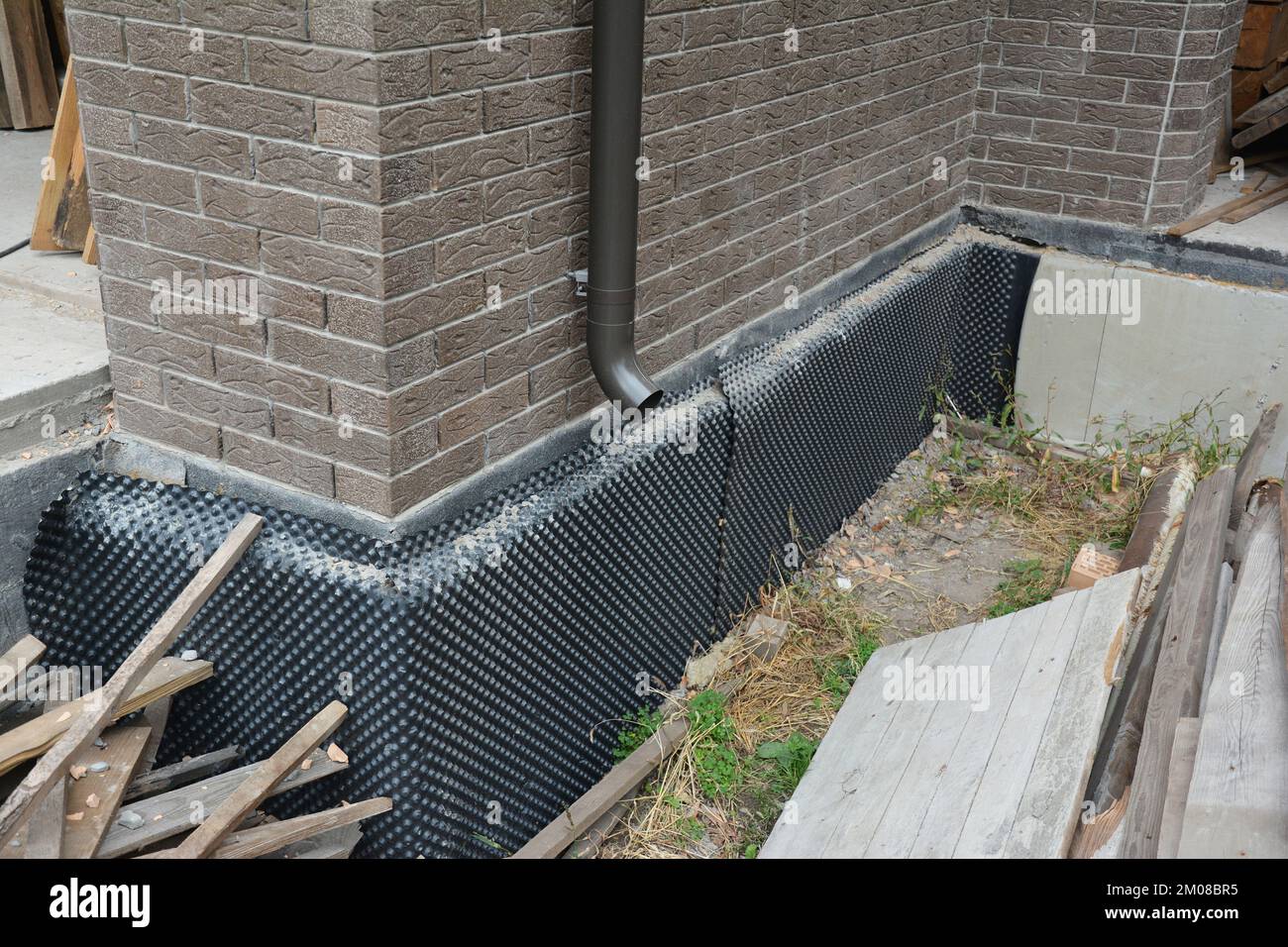
While various approaches exist for avoiding wetness access, the application of water-proof membrane layers stays an extremely effective exterior moist proofing strategy. These membranes are commonly made from products such as polyethylene, rubber, or customized bitumen, offering a durable obstacle versus water penetration. The setup process involves applying the membrane to the external surfaces of walls or foundations, guaranteeing full insurance coverage to stop leaks. Appropriate attachment and securing at joints are important to optimizing efficiency. Waterproof membrane layers can be used in numerous forms, including fluid coverings and sheet membrane layers, enabling adaptability based upon the specific needs of the structure. This method not only safeguards structures from wetness but likewise boosts click here their durability and structural honesty.
French Drain Installation
One reliable approach for handling groundwater and preventing wetness build-up around a structure's structure is the installation of a French drain. This drain system is composed of a trench loaded with crushed rock and a perforated pipe that reroutes surface area water far from the foundation. Proper setup needs mindful preparation, making certain that the drain slopes away from the structure to promote suitable water circulation. In addition, the location of the drain is crucial; it needs to be placed in areas vulnerable to merging or excess dampness. Regular upkeep, consisting of clearing up particles from the gravel and guaranteeing the pipeline continues to be unobstructed, is crucial for long-term efficiency. Inevitably, a well-installed French drain can significantly minimize the danger of water-related concerns in cellars and foundations.
Interior Waterproofing Strategies
Inside waterproofing approaches are essential for safeguarding a building's interior from moisture infiltration and prospective water damage. These methods typically involve the application of specialized materials and strategies created to develop a moisture barrier within the structure. One common approach is using waterproof coverings or sealers on wall surfaces and floorings, which protect against dampness from permeating surfaces.Additionally, mounting interior drain systems, such as sump pumps, can successfully manage water build-up in basements and creep rooms. An additional technique involves the use of vapor obstacles, which are mounted to inhibit wetness activity from the ground right into living spaces.Moreover, attending to any type of cracks or gaps in walls or foundations with suitable sealers guarantees a complete defense against water breach. By carrying out these indoor waterproofing strategies, homeowner can significantly decrease the risk of mold and mildew growth, structural damage, and other moisture-related problems. Proper execution of these strategies is crucial for long-lasting protection and building honesty.
Regular Maintenance and Inspection Practices
Normal maintenance and examination practices are important for assuring the long-lasting effectiveness of moist proofing options in any kind of building. Regular checks allow homeowner to recognize early indications of moisture breach, such as peeling paint, mold and mildew development, and mildewy odors. These indications can signify underlying concerns that call for prompt attention.Inspections must be conducted a minimum of annually, concentrating on vulnerable areas like cellars, crawl spaces, and exterior walls. Throughout these assessments, home owners need to take a look at sealers, drain systems, and air flow to validate they operate correctly.Additionally, keeping rain gutters and downspouts is crucial, as stopped up systems can cause water build-up near the foundation. Implementing a routine maintenance schedule, along with prompt repair work, can considerably extend the lifespan of wet proofing measures and secure the structural integrity of the structure. Proactive steps ultimately add to the total health and wellness of the living environment.
Frequently Asked Concerns
The Length Of Time Does Damp Proofing Generally Last?
The duration of damp proofing performance varies, commonly lasting in between 20 to half a century. Elements such as application quality, ecological conditions, and maintenance methods greatly affect the durability of the damp proofing therapy.

Can I Damp Evidence My Home Myself?
The private considered the feasibility of do it yourself damp proofing. With proper research and the best materials, it is feasible. They likewise recognized the value of professional assistance to assure lasting efficiency and protect against future problems.
What Are the Indications of Inefficient Damp Proofing?
Indicators of inadequate wet proofing consist of persistent stuffy odors, visible mold and mildew growth, peeling paint, wet spots on walls, and wood decay - mould removal newcastle. Homeowners ought to address these issues quickly to avoid additional damage and health concerns
Does Damp Proofing Affect Indoor Air Top Quality?
Just How Much Does Specialist Damp Proofing Expense?
Expert moist proofing prices vary considerably, normally varying from $1,000 to $5,000 relying on the building's dimension, the level of the moist problem, and picked methods. Each situation needs a tailored evaluation for accurate pricing. Frequently, wetness originates from three primary sources: climbing moist, passing through damp, and condensation. When taking into consideration effective damp proofing methods, the advantages of dental caries walls stand out plainly. External wet proofing methods are essential for protecting frameworks from moisture seepage. While various approaches exist for protecting against moisture ingress, the application of waterproof membranes stays a highly effective outside damp proofing technique. Indicators of ineffective wet proofing include relentless stuffy odors, visible mold and mildew growth, peeling paint, moist spots on wall surfaces, and timber decay.